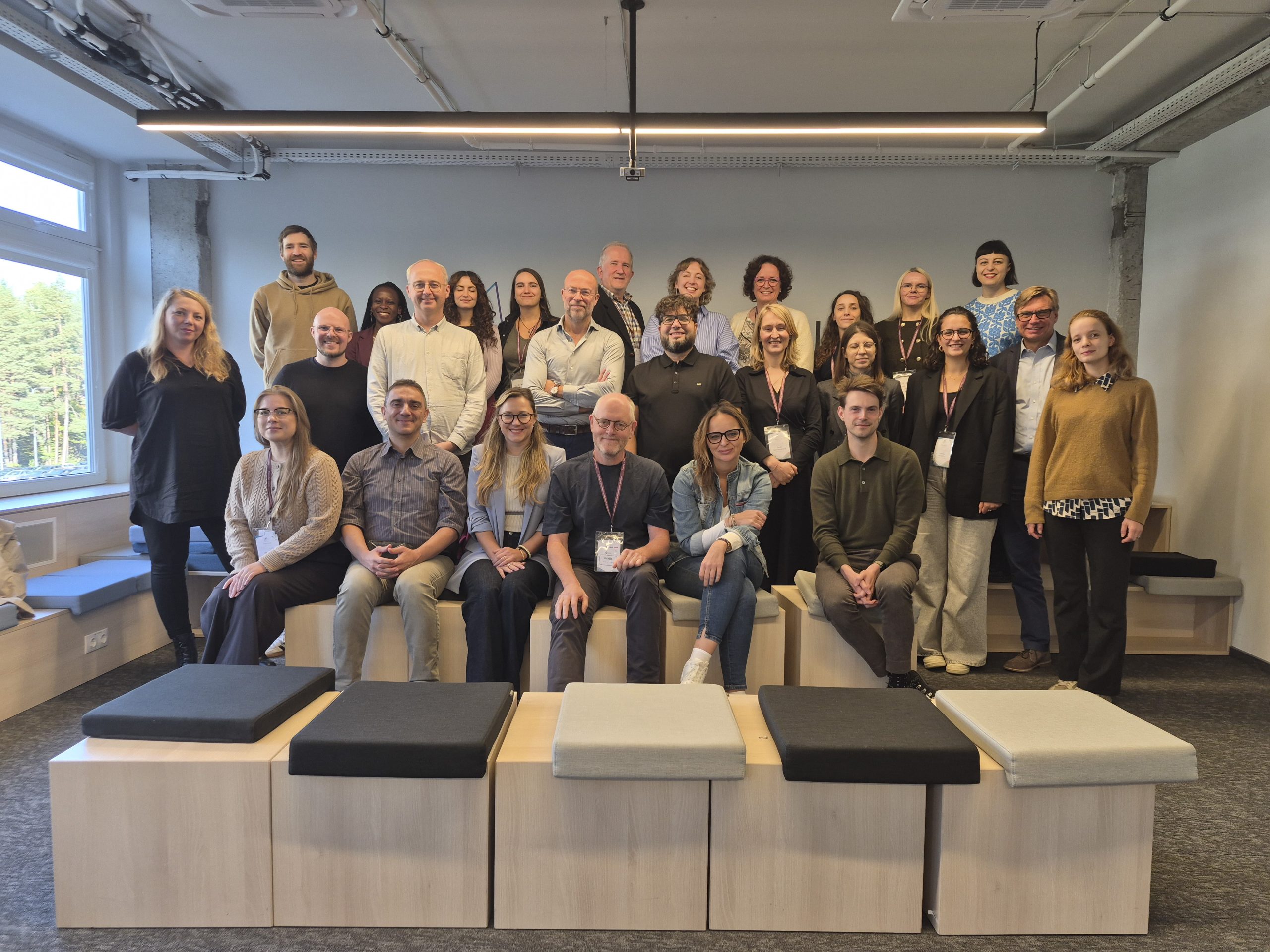
On 7–8 October 2026, the TealHelix consortium gathered in Vilnius, Lithuania, for its 5th General Assembly. Over two days, partners shared updates on the project’s pilot activities, explored the latest developments in its digital tools, and exchanged ideas on how to make sustainability information more accessible and useful to consumers.
The first day focused on project progress and the ongoing pilot activities. Partners shared updates from the different pilots, discussed their experiences so far, and explored the next steps for testing and implementation.
The agenda also included discussions on what information consumers need to make more sustainable food choices and how to encourage them to seek out and use this information. These conversations helped connect the pilot work with the broader goal of understanding how sustainability information can better support everyday decisions.
The day concluded with an information session on the project’s algorithm, giving partners an opportunity to learn more about how it works and discuss related questions.
The second day began with updates from the GoGreen Hubs, where partners shared findings from their activities and discussed upcoming co-creation sessions. The consortium also received a demonstration of the project’s apps, offering a closer look at the digital tools being developed and how they can support the project’s work.
Further discussions focused on approaches to sustainability labelling, including the importance of clear information, reliable standards, and consumer trust. Partners also reviewed the project’s communication activities and exchanged ideas on how to share its work and findings with different audiences.
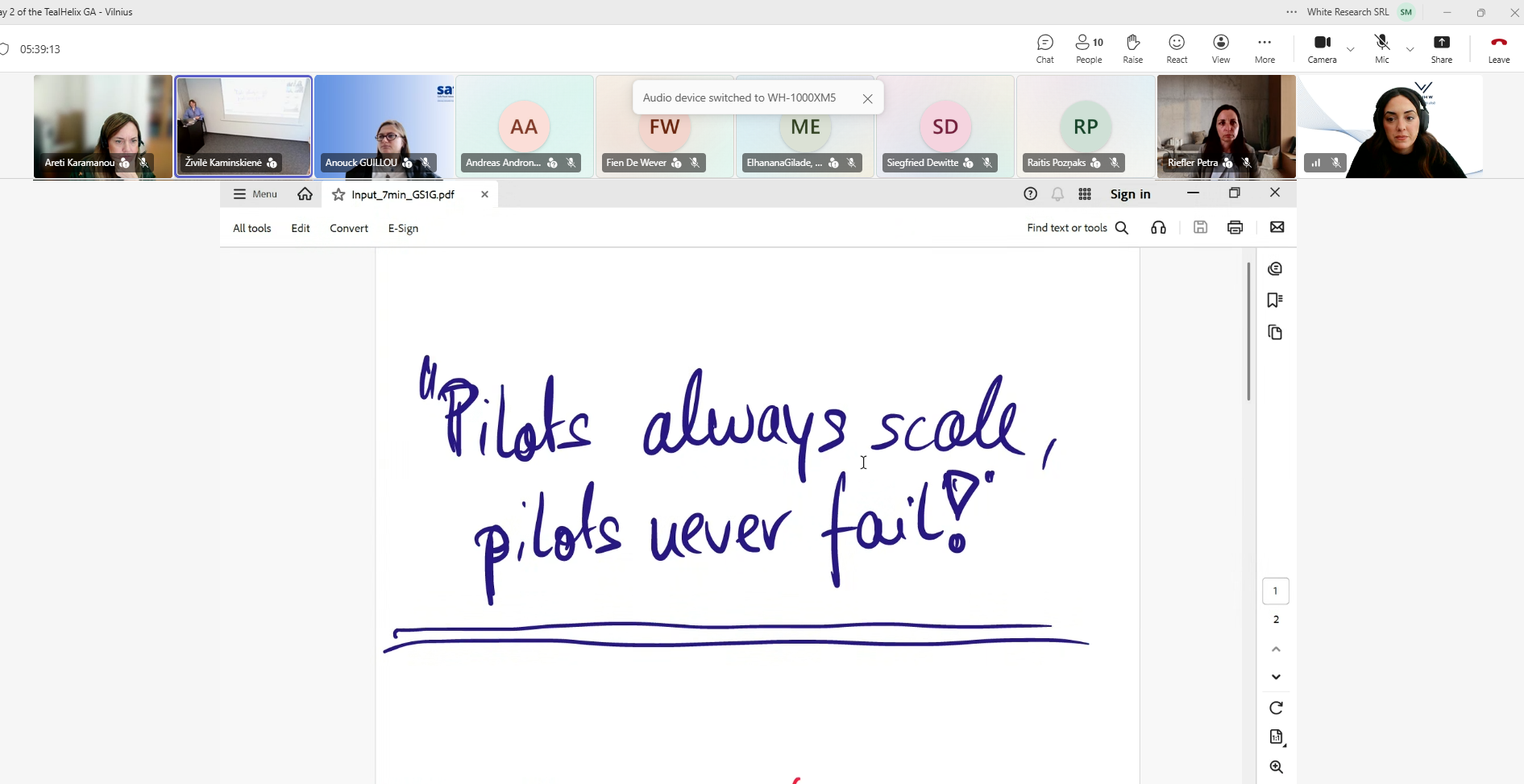
The programme featured partners’ lightning talks. These short presentations offered an opportunity to share experiences and lessons learned from other projects, spark discussion, and identify ideas that could be useful for TealHelix.
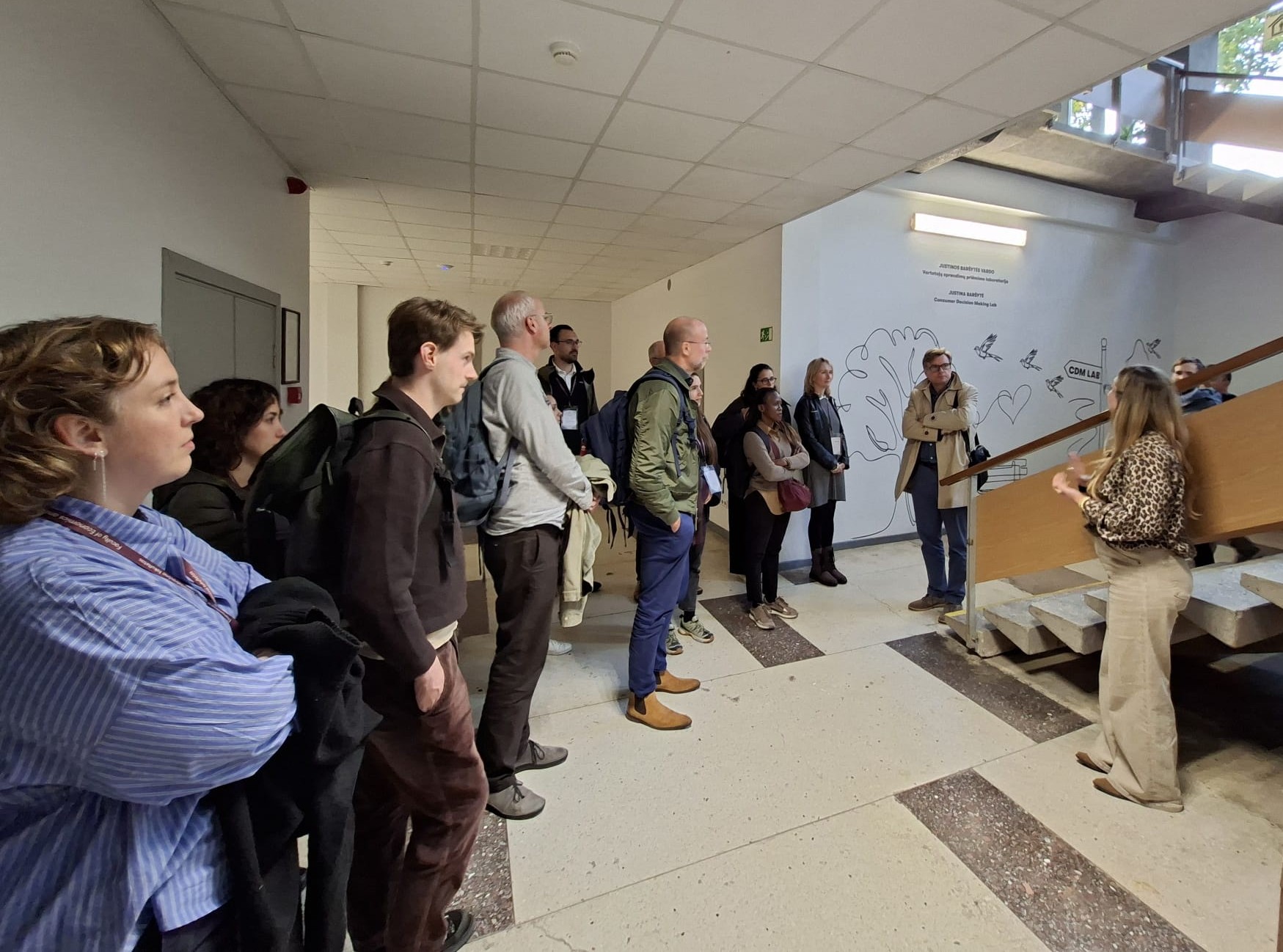
At the end of the day, participants visited the Justina Barsyte Lab (dedicated to the late project coordinator), adding another opportunity to learn and exchange perspectives beyond the meeting room.
The General Assembly provided a valuable opportunity for partners to compare experiences from the pilot activities, explore the project’s digital tools, and coordinate the work ahead. These discussions will help guide the next steps as TealHelix continues to investigate how sustainability information can become clearer, more accessible, and more useful when people make food choices.
Thank you to all partners for their contributions and active participation in Vilnius, and the Vilnius University for hosting us!